If you’ve spent any time in a helmet comms forum or a group ride Facebook thread, you’ve seen the name come up: BluArmor. It’s an Indian-engineered helmet communication brand that’s picked up a loyal following for its mesh intercom tech, and the C30 is the model most riders ask us about specifically. Here’s what’s actually in the box, and what the spec sheet means for how you’ll use it.
Two Ways to Talk: RIDEGRID Mesh vs. RIDELYNK Bluetooth
The C30 runs two separate connection technologies, and knowing the difference matters more than any single spec on the page.
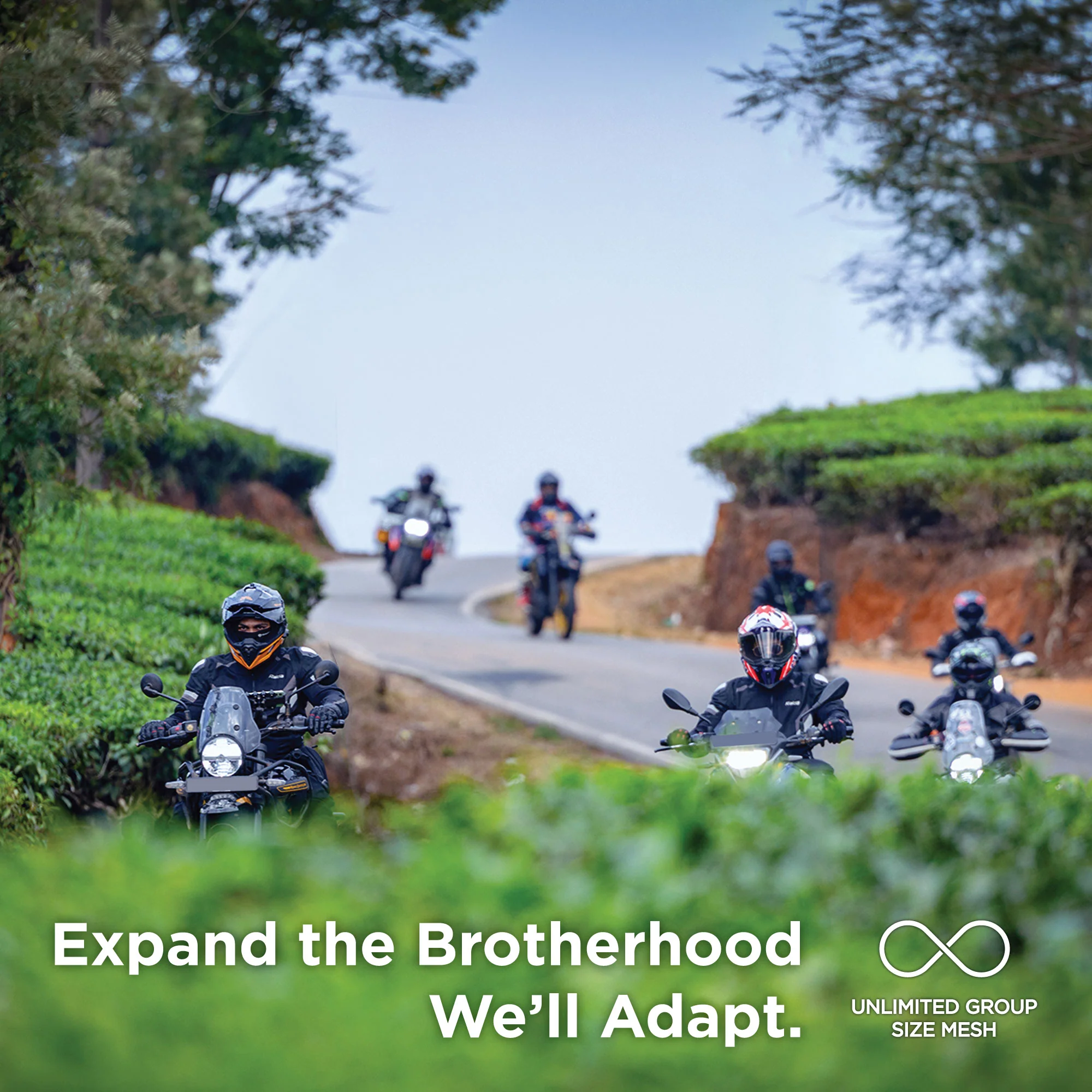
- RIDEGRID (mesh): BluArmor’s proprietary mesh protocol connects up to 20 riders at once, with a self-healing network that reforms automatically if someone drops out of range or falls behind the pack. Rated range is up to 1.1 km between two riders, and total coverage grows as more riders join the mesh.
- RIDELYNK (universal Bluetooth): A standard point-to-point Bluetooth intercom connection, good for about 50 meters. This is the one that matters for rider-to-pillion pairing, and it’s also what lets a C30 talk to a non-BluArmor headset, like a buddy running a Cardo or Sena.
In practice: mesh is for the group ride, universal Bluetooth is for your passenger or your one riding partner who’s on a different brand.
Battery, Charging, and Everyday Specs
- Battery: 1000 mAh, rated for 16+ hours of continuous use with the mesh intercom and music both running.
- Bluetooth version: 5.1
- Controls: 5-button interface on a helmet side mount, plus full control through BluArmor’s companion app.
- Firmware: Updates over the air through the app, no cables or docks required.
- In the box: C30 unit, Tuned by Blu signature headset and mic, adhesive mount, clamp mount, foam spacers, USB cable, and an Allen key for the mount hardware.
Where This Fits on a Modded Bike
Here’s the part most spec sheets skip: audio clarity on a comms unit is only as good as the noise it’s fighting against. If you’ve already upgraded your exhaust (a full system or even a slip-on), your baseline noise floor at highway speed is higher than stock, and that changes what “good intercom audio” actually sounds like. BluArmor’s AUDIOWEAVE sound layering is built to manage exactly that kind of competing noise, blending mesh audio, music, and calls without one drowning out the other.
If you’re pairing a comms unit with a louder setup, plan on running foam spacers snug and keeping the mic boom close, and don’t be surprised if you end up a notch or two louder on the app’s volume setting than you would on a stock exhaust.
Setup Tips That Save a First Ride
A few things worth doing in the driveway instead of at the meetup. Mount placement matters: the boom mic wants to sit close to your mouth with the foam windscreen on, and the difference between close and almost-close is the difference between HD voice and constant repeats. Run the firmware update through the app before the first group ride, not during it. And set your music, mesh, and call volumes while parked, because AUDIOWEAVE will manage the blending on the move but starts from the levels you give it.
If you ride with a passenger, pair the pillion connection over RIDELYNK at home once so it reconnects automatically from then on. Same for a riding partner on another brand: prove the universal Bluetooth link works before the day it matters.
Where the C30 Sits in the Lineup
The C30 hits the sweet spot for riders whose groups fit inside a 20 rider mesh and who do not need crash detection built in. If your rides are strictly two-up, the C10 costs less and does that one job well. If you want automatic SOS, unlimited group size, or the bar-mounted remote as standard, the C60PRO exists for exactly that. Our C10 vs. C40 vs. C60PRO comparison and C60PRO breakdown cover the rest of the lineup.
Specs above are pulled from BluArmor’s official product listing as of this writing. Pricing and availability can shift, so check BluArmor’s site directly before you buy.